

Handheld & Portable Fogging Machines
Portable fogging equipment built for professional coverage where mobility, speed, and repeatable droplet performance matter.
Handheld and backpack foggers let one operator treat foliage lines, perimeters, interiors, and hard-to-reach corners without staging a truck or trailer. This page holds eight portable units — hand-carried cold-ULV foggers, two backpack platforms, and a thermal machine for outdoor vegetation work. Below is how they compare and which one fits the job you're actually doing.
What a Handheld Fogging Machine Does
A handheld fogger turns liquid — insecticide, disinfectant, or a deodorizing treatment — into a fine mist that covers far more area than hand spraying. Most units do this one of two ways. Cold-ULV foggers atomize liquid under pressure with no heat, giving a low-wetting mist that suits indoor sanitation and precise outdoor work.
Thermal foggers instead heat the formulation into a dense, visible cloud that drives deep into vegetation and shaded harborage. Both come in hand-carried and backpack formats. The method you need, the platform you can carry all shift, and the product on your label are what actually decide the right machine — not output alone.
The Mistake That Burns Buyers: Matching the Machine to the Wrong Job
The common misstep is buying one fogger and expecting it to do everything. A cold-ULV unit is the wrong tool for punching fog into a dense tree line, and a thermal fogger is the wrong tool for a low-wetting indoor disinfection pass. Pick the wrong method and you get patchy coverage, over-wetting, or a callback.
Work backward from the label instead. Mosquito adulticides and disinfectants are applied under an EPA-registered product label that specifies droplet size and application method, so the fogger has to match the labeled product and target. Sort method (thermal vs. ULV) and platform (hand-carried vs. backpack) first; runtime and capacity only matter once those two are right.
How the 8 Foggers Compare
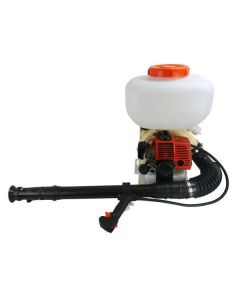
The TitanFog Pro Backpack Fogger is worn on the back rather than carried, freeing both hands and letting you cover long perimeter runs without stopping as often as a small hand unit. That mobility is its whole reason for being. Strongest fit: pest-control crews and grounds teams walking extended routes, tree lines, and uneven terrain.
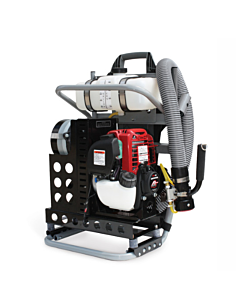
The Twister XL3 Backpack Fogger is the heavy-duty backpack option, built for operators who need serious runtime and reach in a worn platform. When routes are long enough that a compact fogger means constant refills, this is the step up. Strongest fit: professional operators and municipal crews running full-shift perimeter and vegetation work who want mobility without giving up capacity.
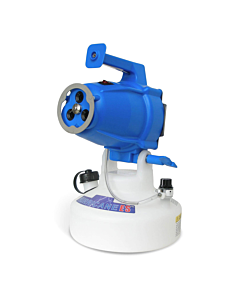
The TitanFog Pro Mini ULV Fogger is a compact cold-ULV unit — it atomizes liquid without heat into a fine, low-wetting mist, sized for tight spaces and spot work. Its small footprint is the point. Strongest fit: indoor sanitation, vehicle interiors, and small-facility disinfection where a full-size fogger is overkill and low wetting matters.
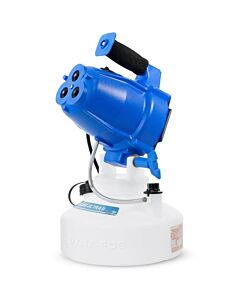
The TitanFog Pro M100 ULV Fogger is a hand-carried cold-ULV machine with more capacity than the Mini, giving fine-droplet output for larger rooms and routes while staying in a single-hand format. Strongest fit: facility sanitation teams and pest operators treating mid-size interiors and perimeters who want ULV precision without moving to a backpack.
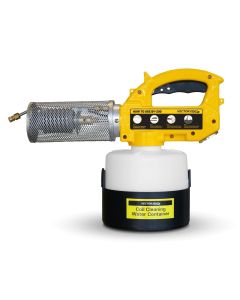
The Hurricane Ultra ES Cold Fogger is a cold-ULV workhorse known for dependable fine-mist output across pest control and disinfection alike. When you want a proven handheld cold fogger that handles both jobs on one unit, it's an easy default. Strongest fit: multi-purpose operators and facilities that switch between insecticide and labeled disinfectant applications.
The Hurricane Ultra II ULV Fogger is a straightforward, no-nonsense cold-ULV handheld for routine coverage — the everyday unit in the Hurricane line when you don't need extra features. Strongest fit: crews and facility teams that want a reliable daily ULV fogger for repeatable sanitation and perimeter cycles without added complexity.
The TitanFog Pro X200 ULV Fogger sits at the top of the hand-carried ULV range here, built for operators who want the most output and reach a handheld cold-ULV unit can give before stepping up to a backpack or wheeled machine. Strongest fit: professional pest and sanitation operators covering larger interiors and demanding routes who need maximum handheld ULV capacity.
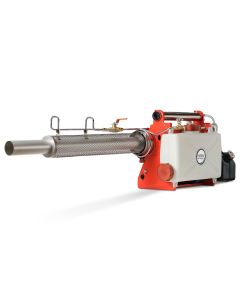
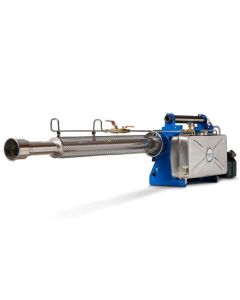
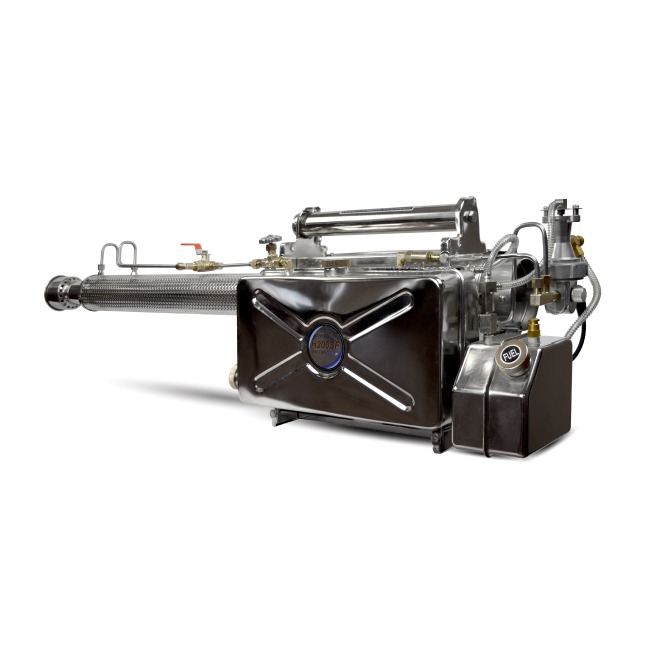
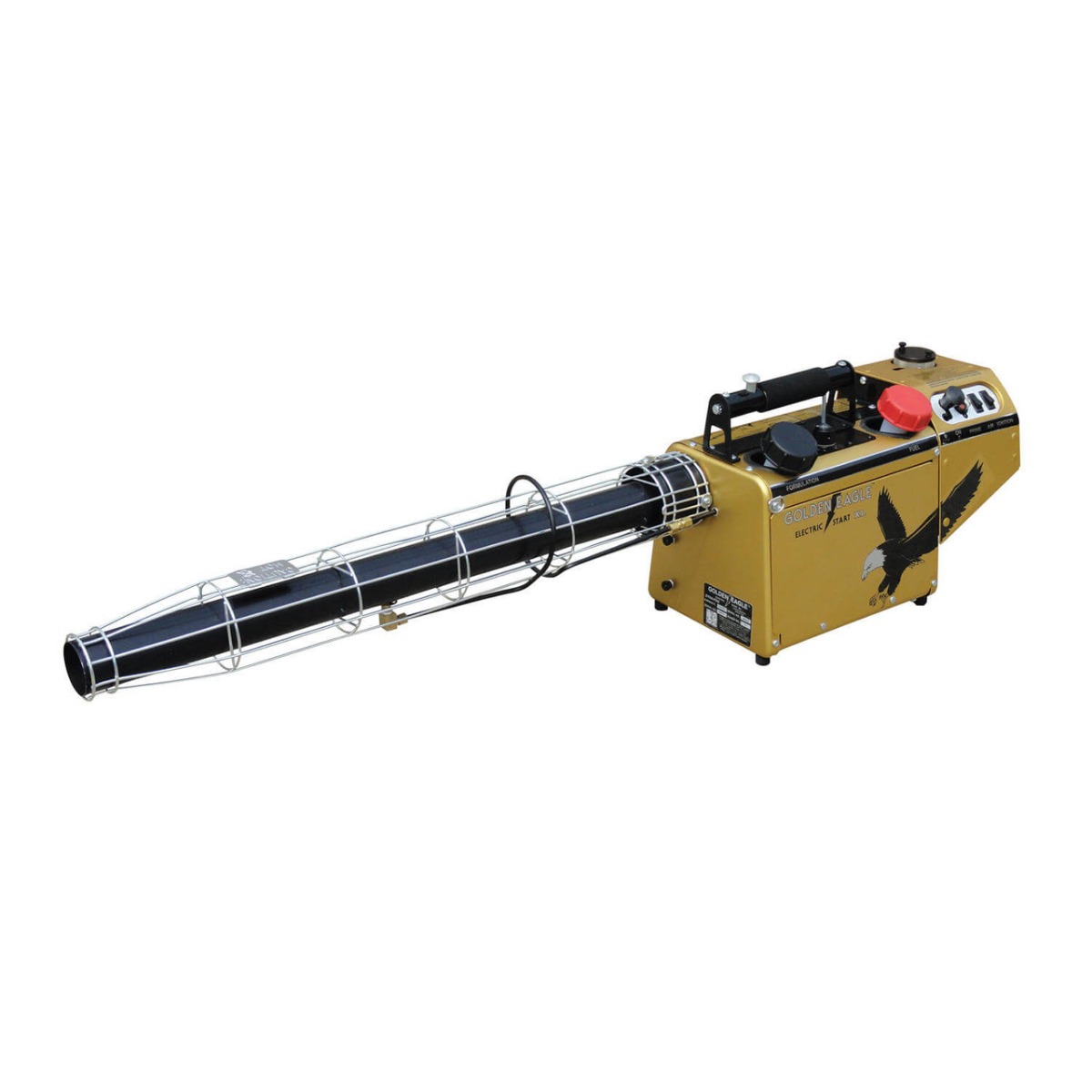
The Golden Eagle Model 2610 Thermal Mosquito Fogger is the thermal unit in this group: it heats the formulation into a dense, visible fog that drives deep into vegetation, tree lines, and shaded harborage where mosquitoes shelter. That penetration is what thermal does best. Strongest fit: outdoor mosquito and vector work — yards, event grounds, and perimeter foliage — where a visible knockdown fog outperforms invisible ULV mist.
Three Things to Check Before You Pick
1. Cold-ULV or thermal. This is the first fork. For outdoor mosquito work that has to reach into vegetation, the thermal Golden Eagle Model 2610 is built for it. For low-wetting indoor sanitation and precise output, the cold-ULV units — the TitanFog Pro Mini through the X200 — are the right family.
2. Hand-carried or backpack. Match the platform to your shift. Long routes and full-day perimeter work point to the TitanFog Pro Backpack or Twister XL3; spot treatments and indoor passes are faster with a compact hand unit like the Hurricane Ultra II.
3. Chemical and label match. The machine has to suit the labeled product. Insecticide for adulticiding and disinfectant for sanitation call for different droplet methods, and the Hurricane Ultra ES is a good pick when one unit needs to switch between both. Always confirm the label clears fogging or ULV application before you run it.
Why Buy Your Handheld Fogger From ICC
A fogger earns its keep in the field, so what happens after the sale matters as much as the spec sheet. ICC backs these units with in-house repairs and servicing, so a machine that goes down mid-season has somewhere to go instead of sitting idle. That support is the difference between a fogger that lasts one season and one that runs for years.
You can also match your unit to a labeled fogger chemical from the same source, rent a platform to try it on a real route before buying, and reach a live U.S. toll-free support line when you're standing next to the machine sorting something out. For crews that depend on repeatable coverage, that operational backing counts as much as any output number.
Not Sure Which Handheld Fogger You Need?
Thermal or cold-ULV, hand-carried or backpack, mosquito control or disinfection — the right handheld fogger comes down to the job and the label. ICC Foggers can help you match the method and platform to your work, and pair it with labeled chemicals, parts, and in-house service.
Email: sales@iccfoggers.com | Call: 800-234-1492
Handheld Fogging Machine FAQs
What's the difference between a thermal fogger and a ULV handheld fogger?
A thermal fogger uses heat to create a dense, visible fog that carries an application into vegetation and shaded areas. A ULV handheld fogger atomizes liquid without heat into a controlled, low-wetting mist with precise output. The right choice depends on the target, the product label, and whether you need visible penetration or lower-wetting ULV coverage.
Should I get a hand-carried fogger or a backpack model?
It comes down to how long you're on your feet. Compact hand-carried units are quick for spot treatments, indoor passes, and short routes. Backpack foggers like the TitanFog Pro Backpack and Twister XL3 free both hands and carry more, so they suit long perimeter runs and full-shift vegetation work where refills would otherwise slow you down.
Can one handheld fogger handle both mosquito control and disinfection?
Often yes — many cold-ULV units apply both insecticides and disinfectants, as long as the machine is compatible with the formulation and the product label clears fogging or ULV application. A dual-purpose unit like the Hurricane Ultra ES is built for that switch. Always match the chemical to the correct droplet method and follow every label direction.
How much area can a handheld fogger cover?
Coverage depends on the unit's output, its tank capacity and power source, and the application rate on your product label — there's no single figure that fits every machine. As a rule, backpack and higher-capacity units run longer between refills for extended routes, while compact foggers suit spot work and smaller spaces. Match capacity to your route length.
What chemicals do these foggers use?
These machines apply EPA-registered insecticides, disinfectants, and deodorizers formulated for fogging or ULV use, always according to the product label. The label specifies dilution, droplet size, and method, so the chemistry and the machine have to be matched. ICC stocks fogger-specific chemicals so you can pair a labeled product to your unit from one source.
Do these foggers need servicing, and can I rent before buying?
Foggers run hard and do need routine maintenance to hold output and reliability across seasons. ICC offers in-house repairs and servicing to keep a unit running, plus fogger rentals if you'd like to try a platform on a real route before committing to buy. Renting first is a practical way to confirm a machine fits your work.
By Dustin Thompson, Owner