

Truck-Mounted & Vehicle-Mounted Mosquito Foggers
High-output mosquito control on wheels — vehicle-mounted foggers built to treat wide, open ground on repeatable routes.
Putting a mosquito fogger on a truck, skid, or ATV lets one operator cover far more ground than any handheld unit, with steady output and paths you can run the same way every time. This page holds eight machines built for that work — engine-driven units, cold-ULV foggers, and thermal foggers, on truck- and ATV-ready platforms. Below is how they compare and which one fits your program.
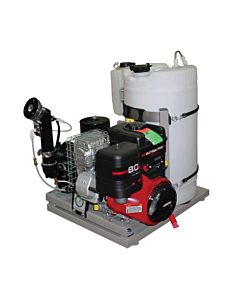
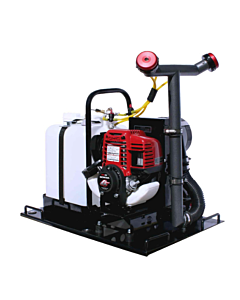
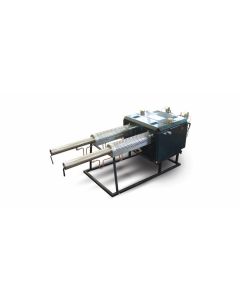
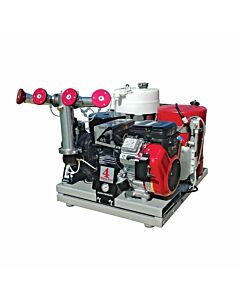
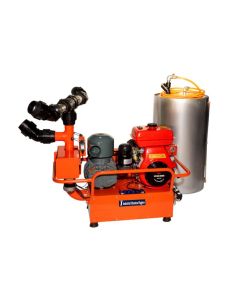
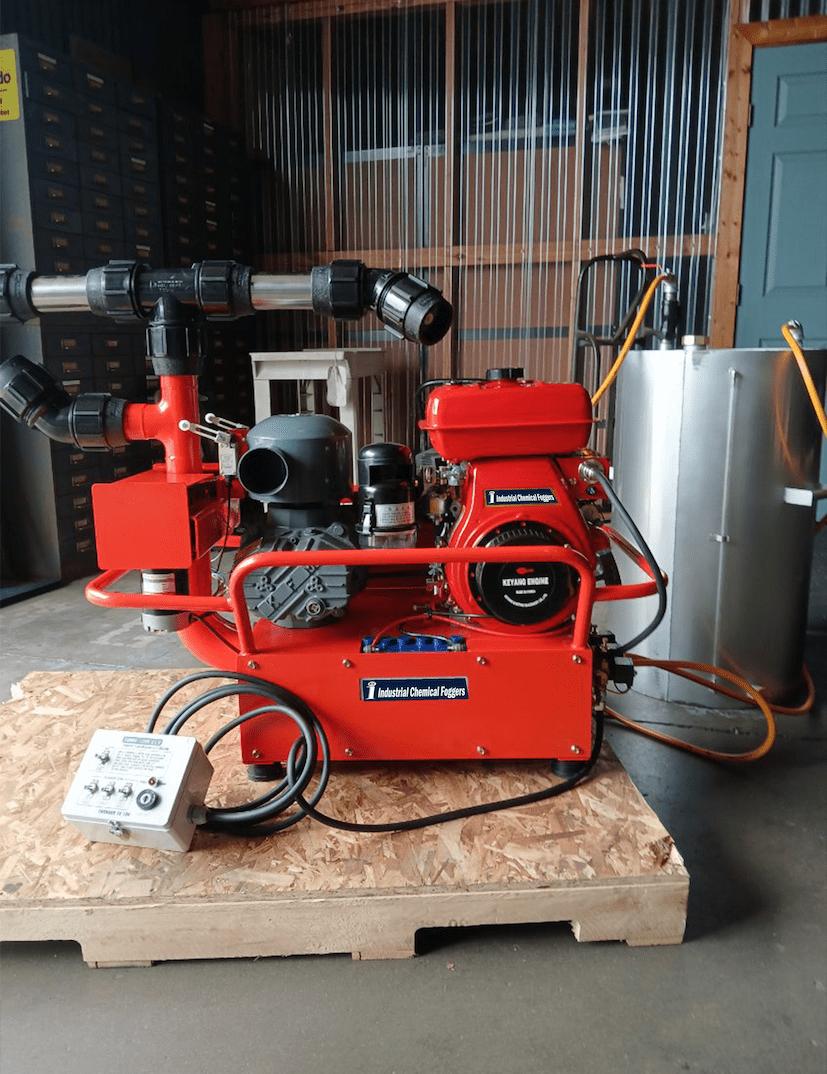
What a Truck-Mounted Mosquito Fogger Actually Does
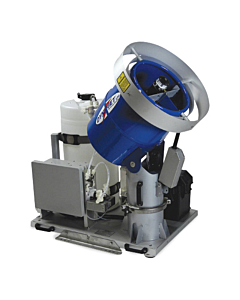
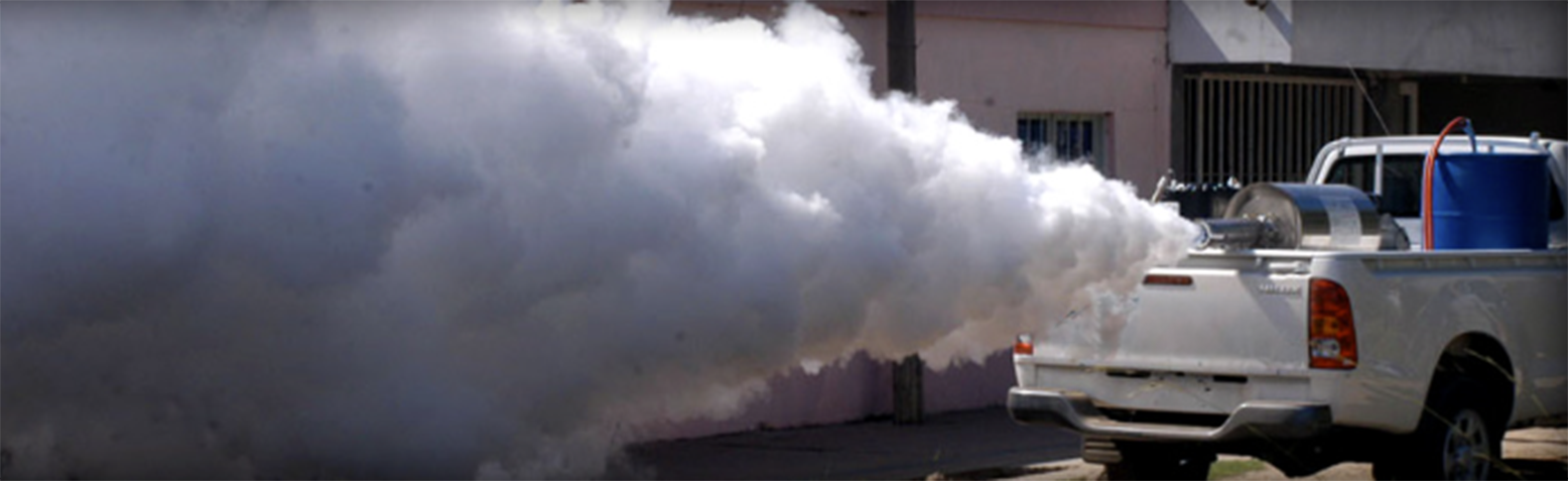
A vehicle-mounted mosquito fogger generates a controlled aerosol and pushes it out across open ground while the vehicle moves, so treatment follows the route instead of a fixed spot. That's what makes it a practical commercial mosquito fogger machine for large properties, municipal routes, and perimeter work where consistent coverage matters more than treating one small area.
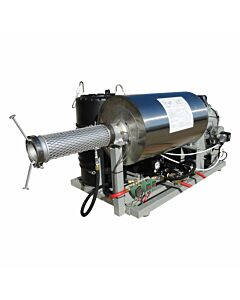
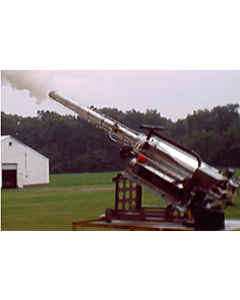
Most of these machines fall into two families. Cold-ULV foggers break liquid into very fine droplets without heat, which is the standard for mosquito adulticiding routes. Thermal foggers use heat to make a dense, visible cloud. Both mount to a vehicle; the difference shows up in droplet size, visibility, and how each pairs with your labeled product.
The Mistake That Burns Buyers: Buying on Output Alone
The most common misstep is picking a fogger by horsepower or throw and ignoring type and platform. A high-output thermal machine won't behave like a cold-ULV unit, and a truck rig can't reach the trails an ATV can. Get that match wrong and you're left with patchy coverage, drift complaints, and routes you have to run twice.
The fix is to work backward from your labeled product and your site. Mosquito adulticides are applied under an EPA-registered product label that specifies droplet size and application method, so the fogger has to match the label — not the other way around. Match the machine type and platform to the label and the route first; output tiers only matter once type and access are right.
How the 8 Foggers Compare
The Mini-Pro 8HP is an engine-driven unit — the 8-horsepower powerplant is built into the model — sized to skid- or truck-mount for versatile vehicle work. It's a flexible way into route-based coverage without committing to a full district-scale rig. Strongest fit: property-maintenance crews and smaller programs stepping up from handheld to vehicle-mounted routes.
The ATV Fogger is defined by its platform: it mounts to an ATV or UTV instead of a full-size truck, so you can reach trails, greenbelts, and terrain a pickup can't. That access is the whole point. Strongest fit: parks departments, ranches, and campgrounds treating narrow paths and off-road perimeter where a truck won't fit.
The TitanFog Pro X500 Fogger sits in the TitanFog Pro range as a high-output unit for vehicle-mounted routes — a mid-tier workhorse when you want dedicated route output without a top-of-line district machine. Strongest fit: pest-control operators and commercial groups running regular mosquito routes across mid-size properties and multi-site accounts.
The Maxi-Pro 4 Model 2742 ULV Cold Fogger is a cold-ULV machine — it breaks liquid into fine droplets without heat, so there's no visible thermal cloud. That droplet control is what adulticiding routes are built around. Strongest fit: mosquito-control districts and public-health programs running long, scheduled municipal routes where fine-droplet ULV output is the standard.
The Dyna-Jet Model L30 ULV Fogger is another cold-ULV option built for serious route output and broad-area distribution. When your program lives on ULV adulticiding and you need dependable throw across open ground, it's a heavy hitter. Strongest fit: county vector-control teams and large operations covering wide acreage on repeatable, high-frequency schedules.
The Piston Engine Model 1200 Thermal Fogger is the thermal machine in the lineup: it uses heat to produce a dense, visible fog rather than a cold-ULV mist, so operators can see coverage in real time. Strongest fit: programs and event sites where a visible knockdown fog and thermal application are preferred over invisible ULV output.
The BlackHawk Pro 2620 is a compact vehicle-mounted fogger positioned below the big district rigs, giving smaller operations a route-capable machine without district-scale bulk. Strongest fit: commercial property groups and pest-control operators who need a manageable vehicle-mounted unit for routine perimeter and grounds treatment.
The TitanFog Pro 100 Truck Mounted ULV Fogger is purpose-named for truck-mounted cold-ULV work, pairing fine-droplet output with a bed-mounted setup ready to run routes. Strongest fit: operators who want a ready-to-mount ULV truck unit for municipal-style mosquito routes and multi-site commercial coverage.
Three Things to Check Before You Pick
1. Cold-ULV or thermal. This is the first fork. If your program runs on fine-droplet adulticiding, you want a cold-ULV unit like the Maxi-Pro 4, Dyna-Jet L30, or TitanFog Pro 100. If you want a visible fog you can watch land, the thermal Piston Engine Model 1200 is the one.
2. What it mounts to. A truck bed and an ATV are different jobs. Off-road trails, greenbelts, and tight perimeter point straight at the ATV Fogger; full-size truck routes open up the engine-driven and truck-mount units like the Mini-Pro 8HP.
3. Route length versus machine scale. Long municipal routes lean toward the high-output district units; smaller commercial grounds are better served by right-sized machines like the BlackHawk Pro 2620 or TitanFog Pro X500. Oversizing burns fuel and handling time; undersizing leaves you re-running the route.
Why Buy Your Fogger From ICC
A fogger is a machine you'll run hard, in the field, for years — so what happens after the sale matters as much as the spec sheet. ICC backs these units with in-house repairs and servicing, so a down machine mid-season has somewhere to go instead of sitting idle. That support is the difference between a fogger that works one season and one that works ten.
You can also rent before you commit, match your machine to a labeled mosquito-fogger chemical from the same source, and reach a live U.S. support line when you're standing next to the unit trying to sort something out. For a program that depends on repeatable routes, that operational backing is worth as much as any horsepower number.
Not Sure Which Truck-Mounted Fogger Fits Your Route?
Matching a vehicle-mounted fogger to your route length, vehicle platform, and labeled product is where most buying decisions are won or lost. ICC Foggers can help you weigh cold-ULV against thermal and size the machine to your program — then back it with matching chemicals, parts, and service after the sale.
Email: sales@iccfoggers.com | Call: 800-234-1492
Truck-Mounted Mosquito Fogger FAQs
What's the difference between a truck-mounted ULV cold fogger and a thermal fogger?
A cold-ULV fogger breaks liquid into very fine droplets using air pressure, with no heat and no visible cloud — it's the standard for mosquito adulticiding routes. A thermal fogger heats the solution into a dense, visible fog. Both mount to a vehicle; the right choice depends on your labeled product and whether you need a visible cloud to gauge coverage.
Which of these is best for a municipal or county vector-control route?
Long, scheduled public-health routes usually call for a high-output cold-ULV machine such as the Maxi-Pro 4 or Dyna-Jet L30, or a truck-ready ULV unit like the TitanFog Pro 100. The best pick still comes down to your labeled product, route length, and vehicle platform, so match those before deciding on output.
Can I run one of these off an ATV or UTV instead of a truck?
Yes — the ATV Fogger is built specifically to mount on an ATV or UTV rather than a full-size truck. That's the right platform when your routes include trails, greenbelts, campground loops, or perimeter a pickup can't reach. For paved municipal routes and open acreage, the truck-mount and engine-driven units are the better fit.
How much area can a truck-mounted mosquito fogger cover?
Coverage depends on the machine's output, your vehicle speed, the droplet spectrum, and the application rate on your product label — there's no single acreage figure that fits every unit. As a rule, the high-output district machines are built for long routes and wide perimeter, while compact units suit smaller commercial grounds. Match output to your actual route length.
What chemicals do these foggers use?
These machines apply EPA-registered mosquito adulticides and outdoor insecticides formulated for fogging, always used according to the product label. The label specifies dilution, droplet size, and application method, so the chemistry and the machine have to be matched. ICC stocks fogger-specific chemicals so you can pair a labeled product to your unit from one source.
Do these foggers need servicing, and can I rent before buying?
Foggers run hard in field conditions and do need routine maintenance to hold output and reliability across seasons. ICC offers in-house repairs and servicing to keep a unit running, plus fogger rentals if you'd like to try a platform on a real route before you commit to buying one outright.
By Dustin Thompson, Owner