

Thermal Foggers for Outdoor Mosquito Control
Thermal foggers are built for outdoor mosquito control jobs where visible fog and wide coverage matter. These machines use heat to turn a labeled fogging solution into a dense fog that moves with air currents through tree lines, thick brush, campgrounds, parks, and other outdoor areas where mosquitoes often rest.
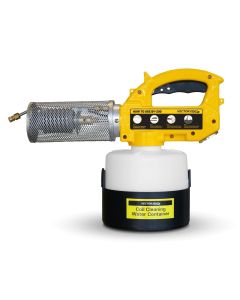
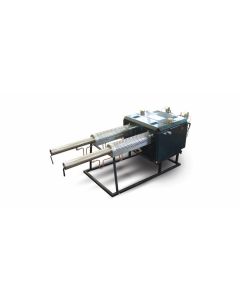
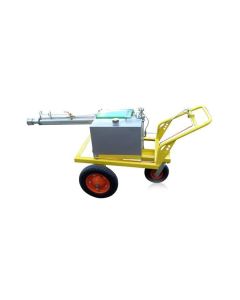
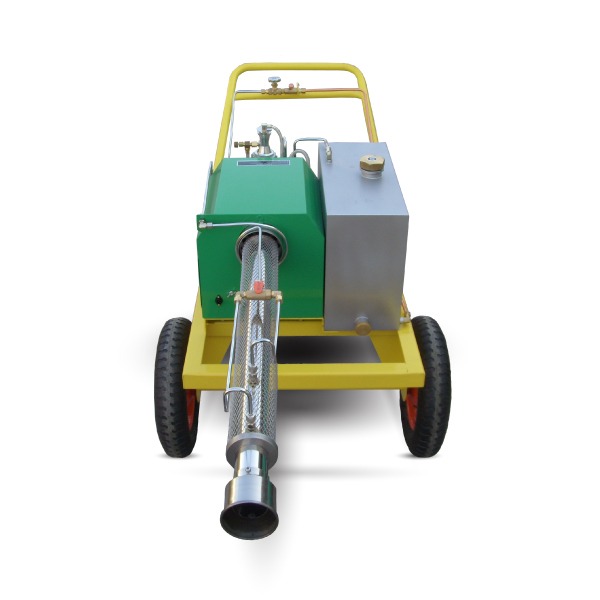
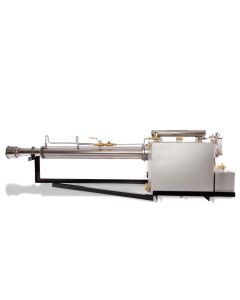
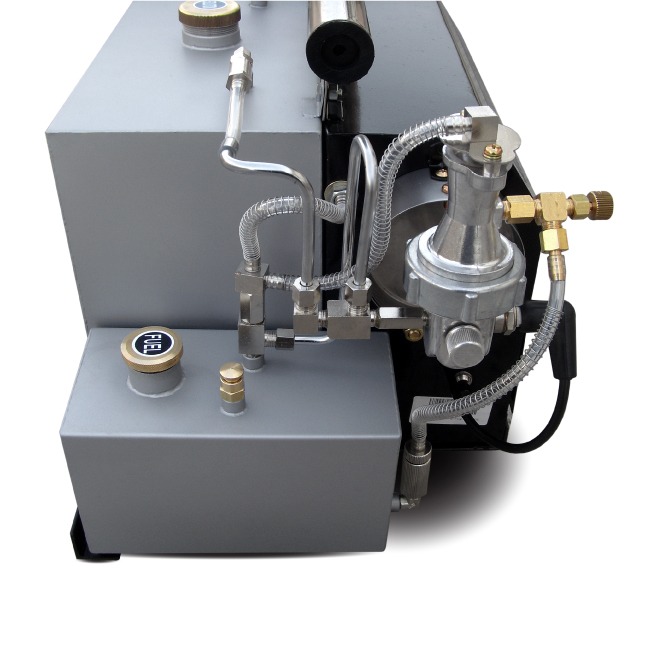
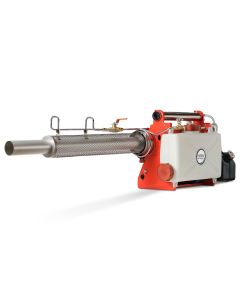
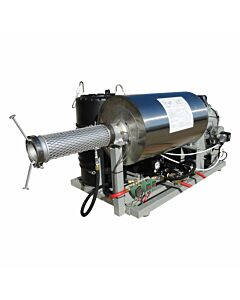
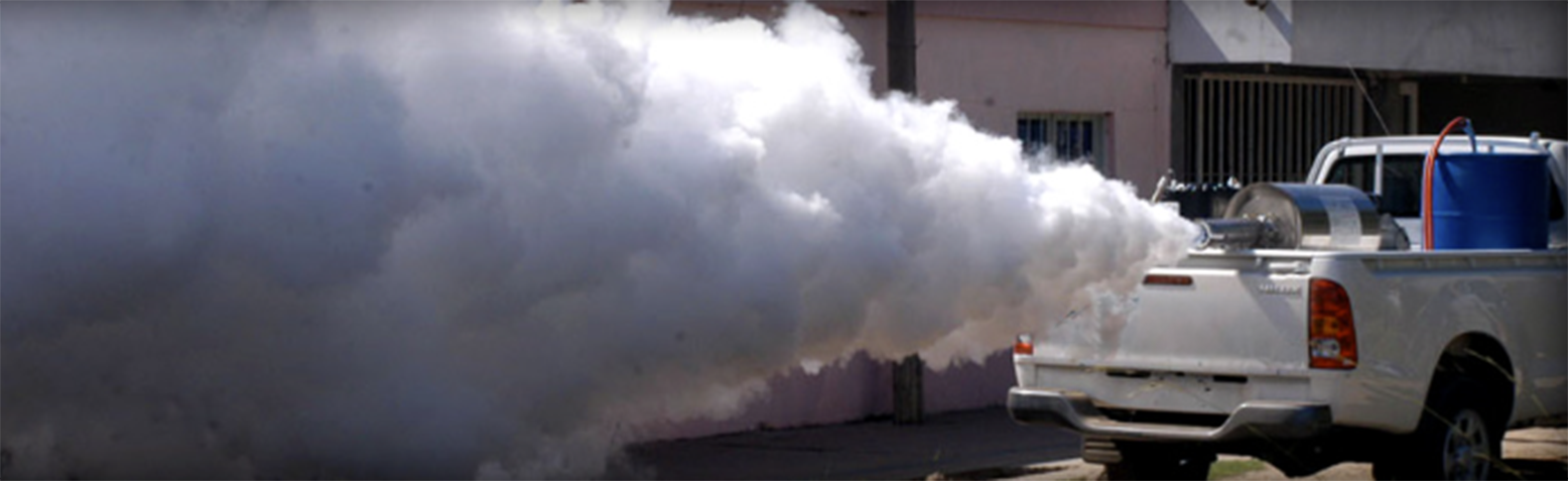
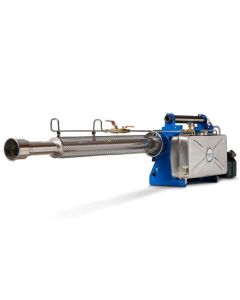
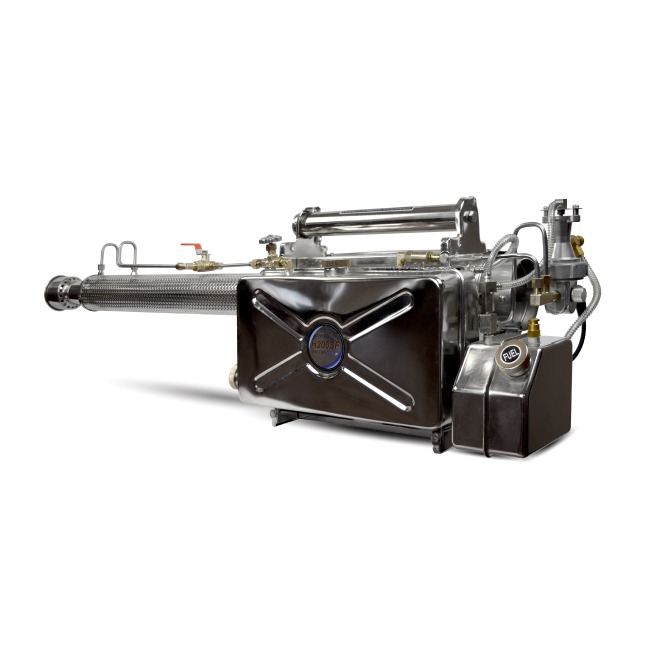
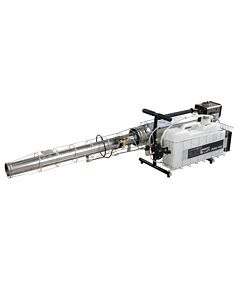
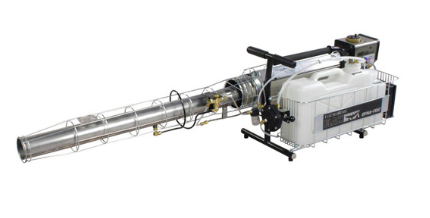
At ICC Foggers, we carry thermal fogging machines for pest control companies, municipal mosquito control programs, campgrounds, farms, outdoor venues, and property owners. This category includes portable thermal foggers, mobile fogging systems, and related ULV foggers that many buyers compare before choosing the right machine.
The Mistake That Burns Buyers
The biggest mistake is buying a fogger based only on price or tank size. A small portable unit may work well for a backyard or campground path, but it can slow down a larger commercial route. A larger mobile system may be too much if you need to walk tight areas where easy handling matters most.
Another common mistake is using the wrong chemical in the machine. Thermal foggers should only be used with products labeled for thermal fogging. Using the wrong formulation can reduce performance, damage equipment, or create a safety hazard. Always follow the fogger manual and chemical label before use.
How the 10 Products Compare
To help you choose the right machine, here is a simple breakdown of how each model fits different jobs.
TitanFog Pro Mini ULV Fogger: This is a compact ULV cold fogger, not a thermal fogger. It is listed here because many buyers compare ULV and thermal fogging before choosing equipment. ULV foggers create a fine mist without heat or visible smoke. Right pick for small yards, patios, indoor spaces, and light spot treatments.
TitanFog Pro X500 Fogger: The X500 is a higher-output fogging system for large outdoor areas where handheld equipment is not practical. It is better suited for wide treatment zones, long routes, and jobs where coverage speed matters. Right pick for city mosquito abatement, farms, large properties, and commercial outdoor routes.
TitanFog Pro T400 Fogger: The T400 is a professional thermal fogger for outdoor mosquito control where visible fog helps confirm coverage. It fits jobs that need more power than a small residential unit but still require portable field use. Right pick for campgrounds, parks, wooded areas, and commercial mosquito control routes.
TitanFog Pro M300 Mobile Fogger: The M300 is built for mobile fogging from an ATV, utility vehicle, or truck bed. It is designed for larger properties where walking with a handheld fogger would take too much time. Right pick for golf courses, campuses, farms, municipalities, and wide-area mosquito control.
TitanFog Pro M100 ULV Fogger: The M100 is a mid-sized ULV cold fogger. It does not use heat, so it creates a fine mist instead of a visible thermal fog. This can be useful where visible smoke, odor, or oily residue is a concern. Right pick for warehouses, business parks, residential neighborhoods, and commercial properties.
Piston Engine Model 1200 Thermal Fogger: The Model 1200 is a thermal fogger for demanding outdoor pest control work. It is a good fit for crews that need a dedicated thermal unit for regular mosquito control applications. Right pick for mosquito abatement crews, pest control contractors, and recurring outdoor service routes.
TitanFog Pro X200 ULV Fogger: The X200 is a larger ULV cold fogger for buyers who need more output than a small portable unit but do not want thermal fog. It is best for controlled mist applications across larger spaces. Right pick for schools, public facilities, city parks, and commercial properties where ULV fogging is preferred.
BlackHawk Pro 2620: The BlackHawk Pro 2620 is a portable thermal fogger for professional outdoor use. It is suited for operators who need visible fog output in the field while still being able to move between treatment areas. Right pick for pest control routes, parks, wooded areas, and commercial perimeter treatments.
BlackHawk Model 2620: The BlackHawk Model 2620 is a portable thermal fogger for outdoor mosquito and flying insect control. It is a practical choice when the job calls for visible fog, easy movement, and use across multiple outdoor areas. Right pick for campgrounds, outdoor venues, wooded properties, and property maintenance teams.
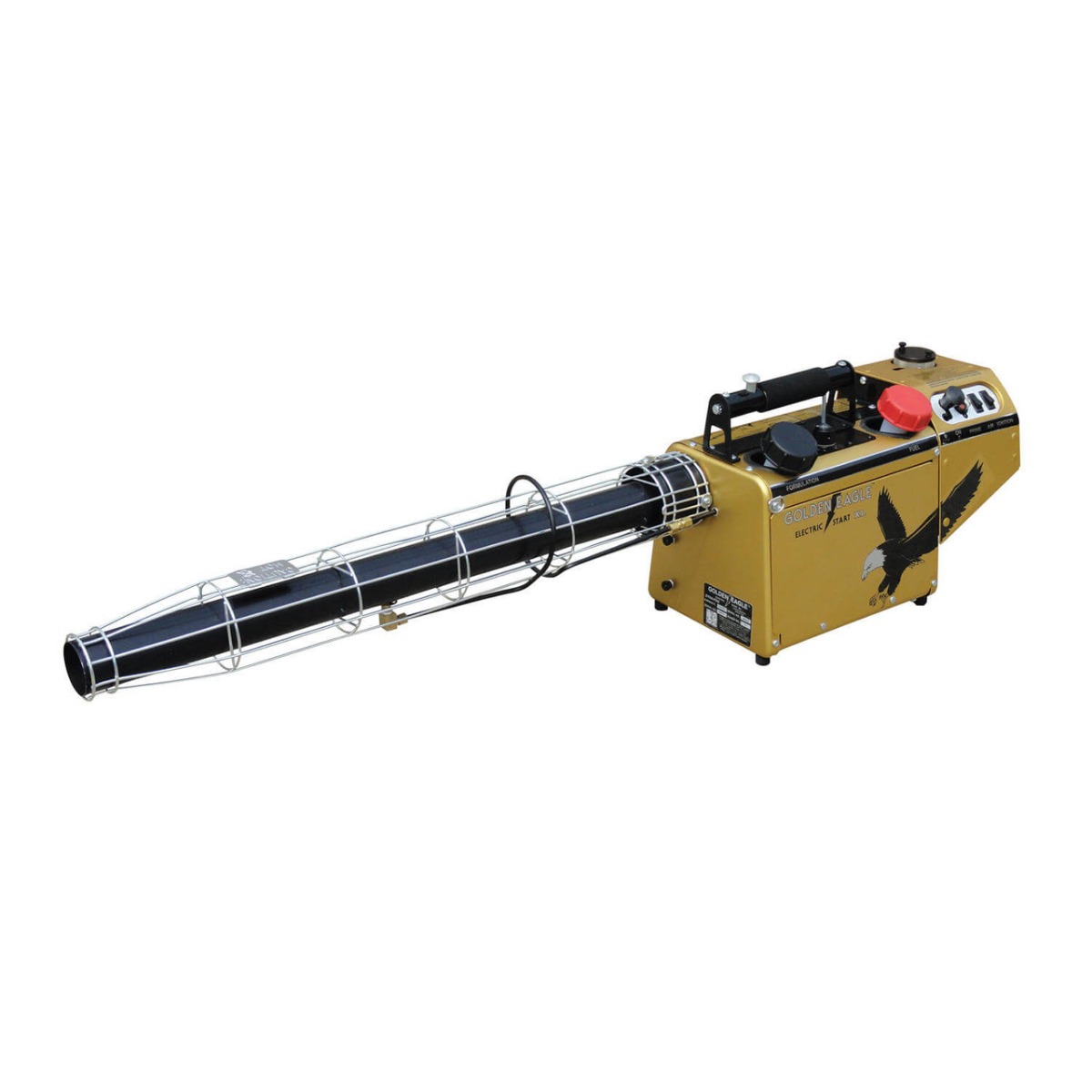
Golden Eagle Model 2610 Thermal Mosquito Fogger: The Golden Eagle Model 2610 is a thermal mosquito fogger for outdoor applications where visible fog and portable use are important. It is a strong fit for users who need a dedicated mosquito fogging machine for property-level treatment. Right pick for large yards, farms, campgrounds, and residential acreage.
Three Things to Check Before You Pick
1. Check your treatment area. Small yards, patios, and tight spaces may only need a compact machine like the TitanFog Pro Mini ULV Fogger. Larger parks, farms, and long service routes may require a mobile system like the TitanFog Pro M300 Mobile Fogger or TitanFog Pro X500 Fogger.
2. Decide between visible fog and cold mist. Thermal foggers create a visible fog cloud, which helps operators see where the treatment is moving. ULV foggers create a fine mist without heat, which may be better for locations where smoke appearance, odor, or residue are concerns.
3. Think about how you will move through the job. If you need to walk through woods, campground paths, or tight spaces, a portable unit like the BlackHawk Model 2620 or Golden Eagle Model 2610 may be easier to manage. If you can drive the treatment route, a mobile system may save time.
Need Help Choosing the Right Thermal Fogger?
ICC Foggers offers a complete selection of professional foggers, matching chemicals, and replacement parts. If you are not sure which machine fits your property, route, or truck setup, our team can help you choose the right option.
Email: sales@iccfoggers.com | Call: 800-234-1492
Thermal Foggers FAQs
What is a thermal fogger?
Answered by Dustin Thompson, Owner & CEO
A thermal fogger is a machine that uses heat to turn a labeled fogging solution into a dense, visible fog. The fog moves with air currents and can help carry the product into shrubs, tree lines, wooded areas, and other outdoor spots where mosquitoes often rest.
Are thermal foggers good for mosquito control?
Answered by Dustin Thompson, Owner & CEO
Yes. Thermal foggers are commonly used for outdoor mosquito control because they create visible fog and can cover large outdoor areas quickly. The visible fog helps the operator see where the treatment is moving, which is helpful around trees, brush, parks, and campgrounds.
What is the difference between a thermal fogger and a ULV fogger?
Answered by Dustin Thompson, Owner & CEO
A thermal fogger uses heat to create a visible fog. A ULV fogger does not use heat. It uses air pressure to break liquid into a fine mist. Thermal foggers are often used outdoors where visible coverage matters. ULV foggers are often used when cold mist, lower visible output, or controlled droplet application is preferred.
Can I use any insecticide in a thermal fogger?
Answered by Dustin Thompson, Owner & CEO
No. Thermal foggers should only be used with products labeled for thermal fogging and approved for the application. Always follow the chemical label, fogger manual, and local requirements. Using the wrong formulation can reduce performance, damage equipment, or create a safety hazard.
Which thermal fogger is best for commercial use?
Answered by Dustin Thompson, Owner & CEO
The best commercial thermal fogger depends on the job. Portable units like the BlackHawk Model 2620 are useful when crews need to walk treatment areas. Larger systems like the TitanFog Pro M300 Mobile Fogger or TitanFog Pro X500 Fogger are better for wide-area routes, farms, campuses, and municipal applications.
Where are thermal foggers commonly used?
Answered by Dustin Thompson, Owner & CEO
Thermal foggers are commonly used in parks, campgrounds, farms, wooded areas, outdoor event spaces, commercial properties, and municipal mosquito abatement programs. They are a good fit when visible fog and outdoor coverage are important.
Page reviewed by Dustin Thompson, Owner & CEO of ICC Foggers.